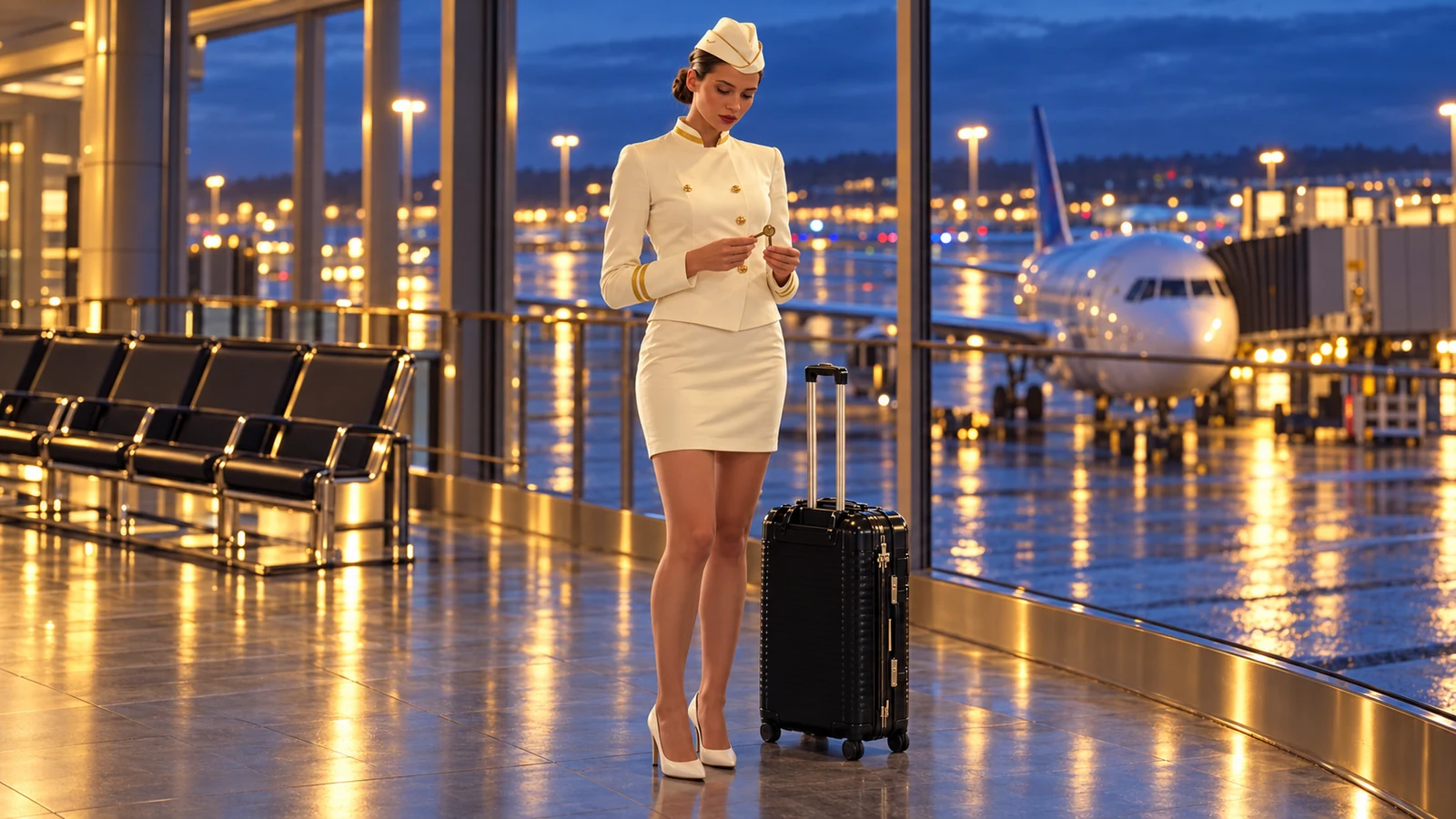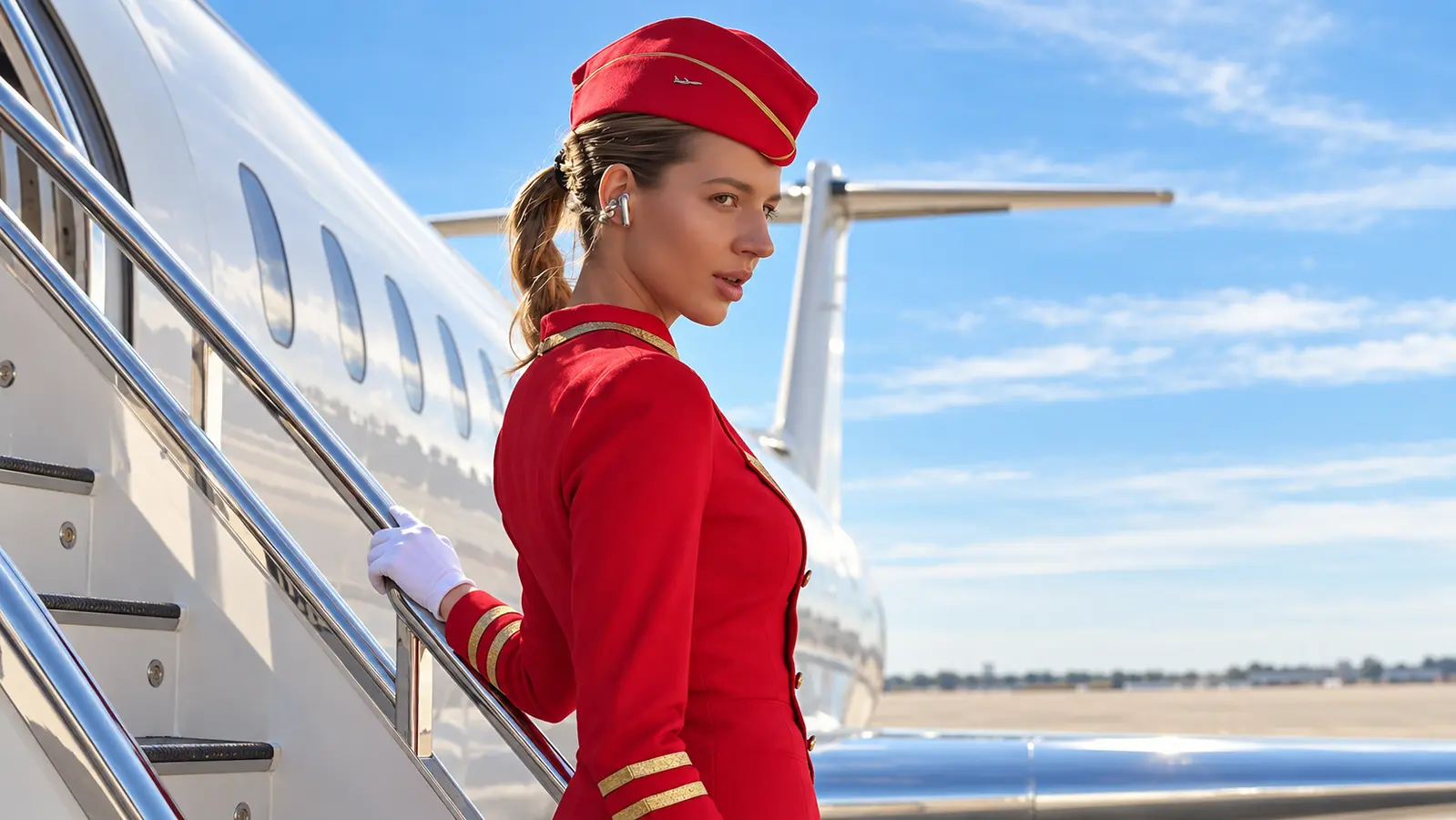
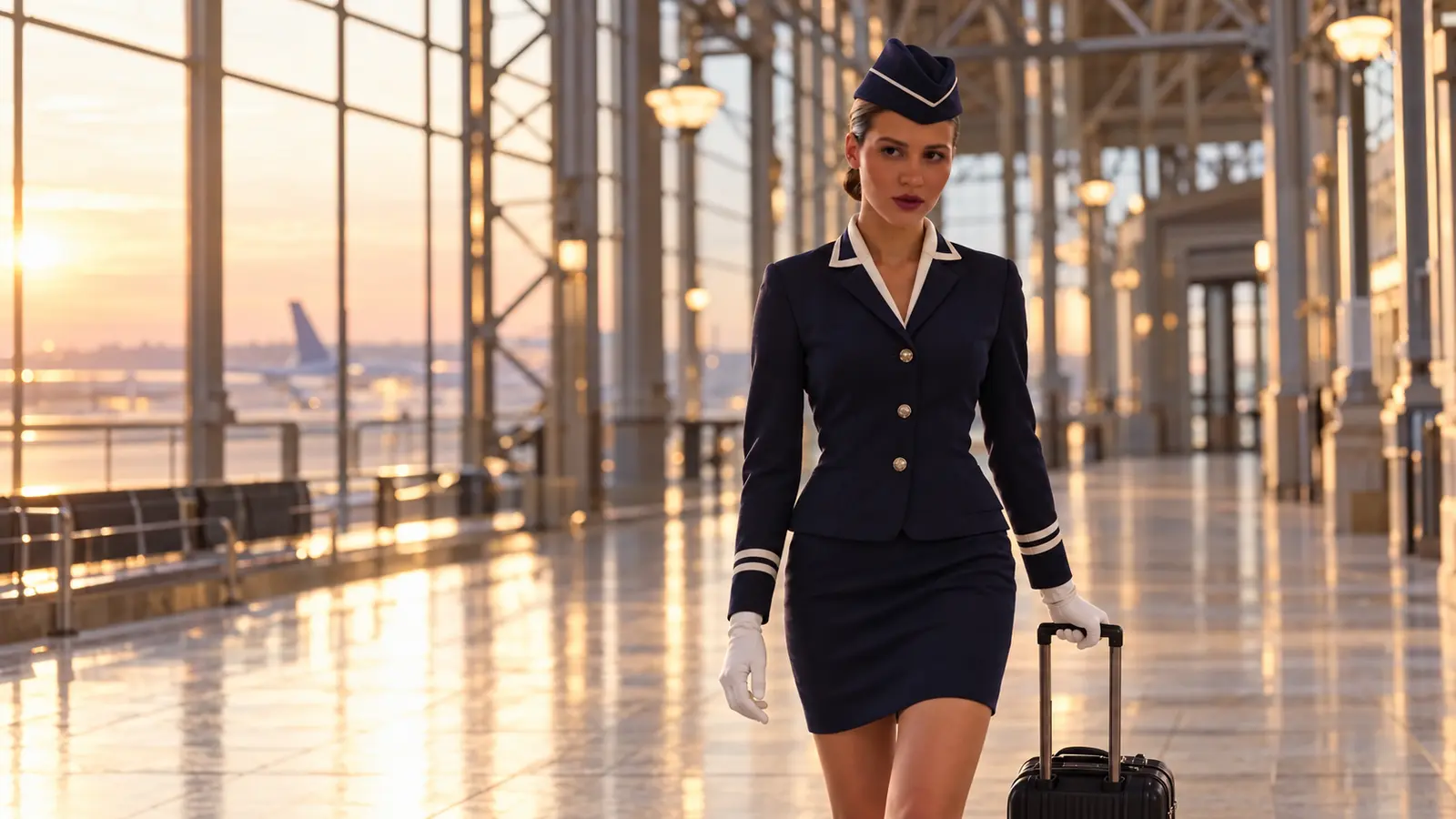
The last thing Marcus said was, ‘If you walk out now, don't expect me to wait.’ Arina Jet stood beside the door with her coat over one arm. For years, she had answered sentences like that with an explanation. This time she put her key on the table and said, ‘I won't.’
She did not feel brave on the stairs. Her hands shook, and halfway down she remembered a blue mug she had left in the cupboard. It was astonishing how a small, ordinary object could make leaving feel impossible. She kept walking anyway.
Marcus had once loved hearing about her work. He asked about unfamiliar cities and saved the postcards she brought home. Later, every changed roster became a personal slight. He wanted her to decline training, stop volunteering for routes and find a job that made his weekends predictable.
Arina had tried to meet him halfway. She swapped shifts, shortened visits to her family and apologized when weather delayed a flight. The halfway point kept moving. By the time he asked her to give up the promotion she had spent a year earning, there was barely any of her life left on her side of it.
For a week after she left, she stayed with her sister and finished her scheduled flights. She smiled at passengers, completed her checks and went home tired. There was no dramatic transformation. There was simply the relief of a phone that no longer demanded she prove where she was.
A Ticket for Herself
On the final morning before five days of planned leave, Arina crossed the old terminal in her navy uniform. Her heels sounded clear against the floor. She was tall enough to stand out in a crowd, but today she was paying attention to something less visible: the unfamiliar ease in her shoulders.
After the crew handover, she changed out of her uniform and caught a train to Wrenhaven, a seaside town her mother had once circled in a guidebook. She had booked a modest room over a bakery. Nobody had chosen the dates for her. Nobody needed a reason better than, ‘I'd like to see the sea.’
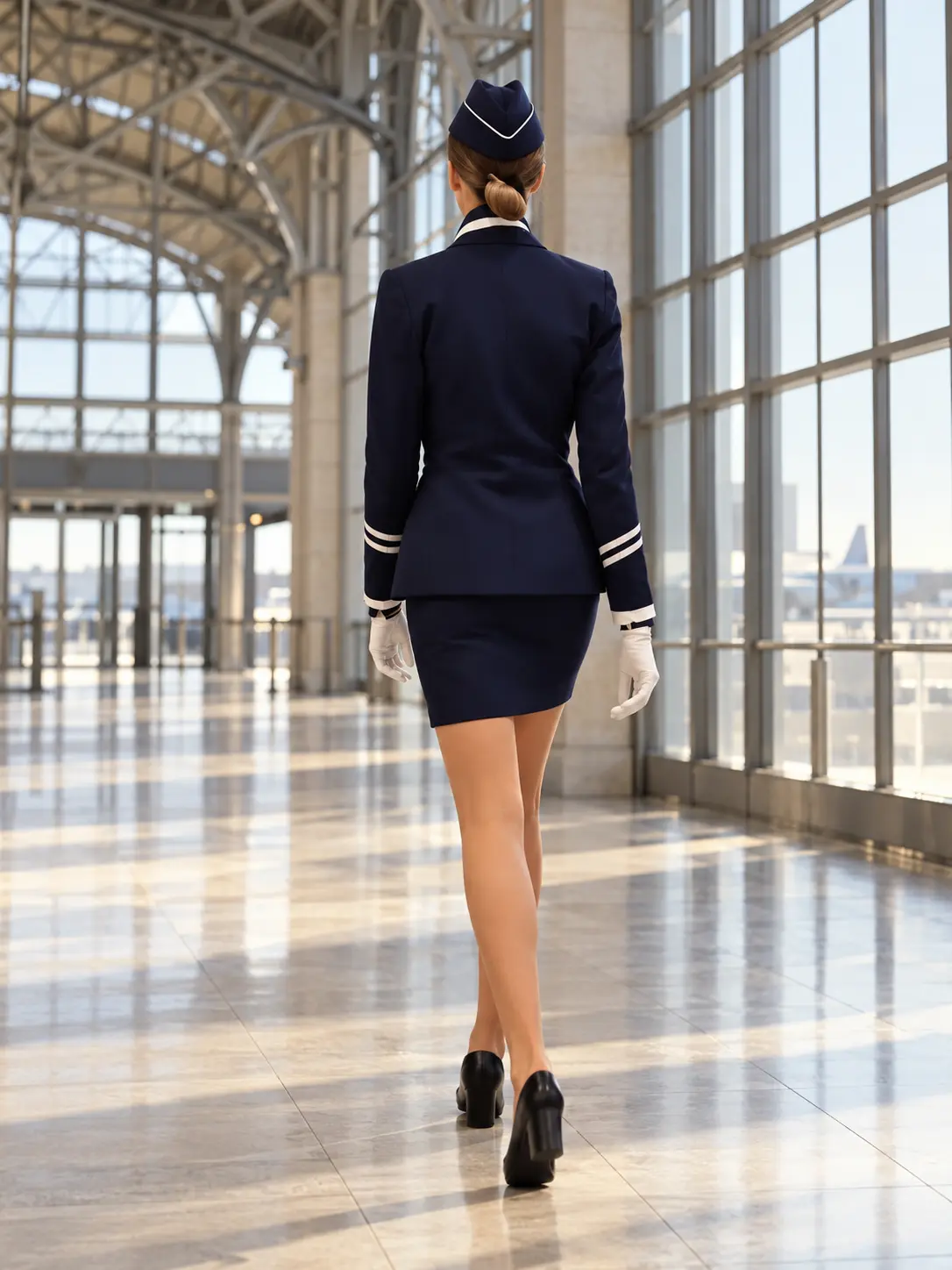
The town greeted her with gulls, a cold wind and a lane so narrow that delivery drivers folded their mirrors to pass. In the bakery, the owner handed her a warm roll with her room key. Arina ate it standing by the window, watching the harbour darken beneath the evening clouds.
The next morning, she took her travel notebook to a café overlooking the water. Her mother had given it to her when she began flying. Half the pages held tiny observations: a station pianist, a passenger's kind joke, the smell of rain outside a hotel in a city she had almost forgotten.
She opened to a blank page and wrote, ‘Things I want.’ Then she stopped. The question was harder than any safety exam. A little water slipped from her glass onto the table, and when she lifted the notebook, its worn binding finally broke. Three loose pages drifted to the floor.
The Bookbinder by the Sea
A man at the next table picked them up without reading them. He placed them face down beside her cup. ‘There's a binder's shop two doors along,’ he said. ‘It can probably be saved.’ When she asked whether it was open, he looked at his watch and smiled. ‘It will be in about four minutes. I'm the binder.’
His name was Owen. His shop shared a front window with a secondhand bookseller, and the workbench at the back was crowded with linen thread, paper weights and pots of paste. He examined the notebook carefully, turning each damaged seam toward the light.
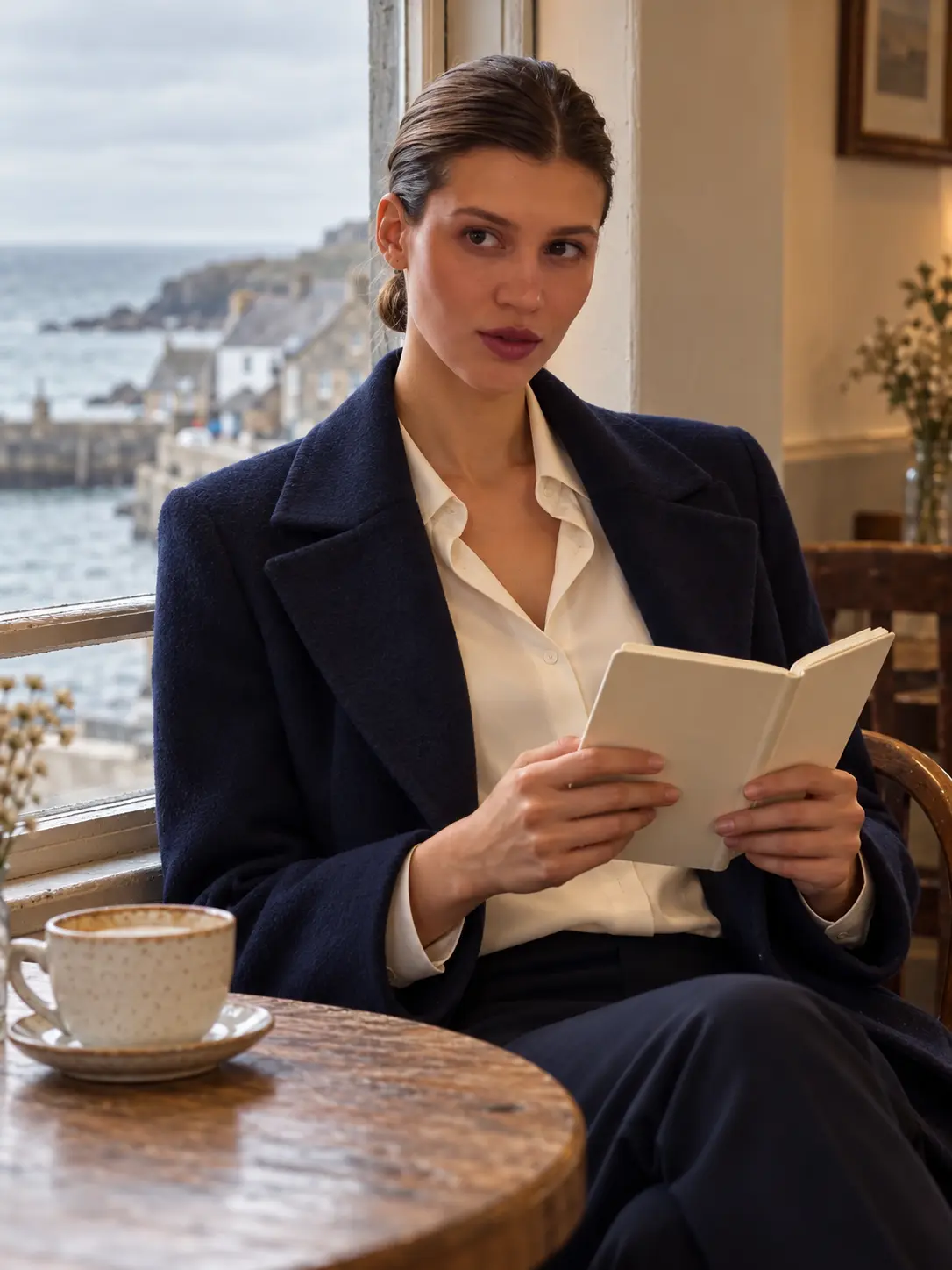
‘I can replace the spine and keep the cover,’ he said. ‘Or make a new cover, if you prefer.’ Arina touched the faded corner her mother's thumb had once rested on. ‘Keep it. I like knowing where it's been.’ Owen nodded. ‘Then that's what we'll do.’
He asked her to return the next afternoon. She spent the intervening hours walking along the harbour, buying a scarf she liked and sitting on a bench until the sun went down. Whenever she reached for her phone, she found there was no report to send. The silence felt awkward before it felt peaceful.
Her sister called that evening. ‘Are you lonely?’ she asked. Arina considered the question. ‘Sometimes. But I was lonely before, too. This time I can hear myself think.’ Her sister did not offer to fix anything. They talked about the bakery downstairs until Arina began to laugh.
Room to Stay, Room to Leave
The notebook was ready when she returned. Owen had strengthened the binding with pale linen and left the cover exactly as she remembered it. He showed her how the pages now opened flat. Nothing had been erased, not even the tea stain near the back.
They talked while he wrapped it. He asked what she liked about flying, and she told him about the moment a nervous passenger finally relaxed, the pleasure of learning a route and the strange affection she felt for cities she saw only briefly. He listened without turning the answer into an argument for staying home.
‘You sound proud of it,’ he said. ‘I am,’ Arina answered. The words came out more firmly than she expected. Owen glanced up. ‘That's a good thing to know about yourself.’ Then he asked whether she would like to walk to the lighthouse after he closed. ‘If you already have plans, another day is fine.’
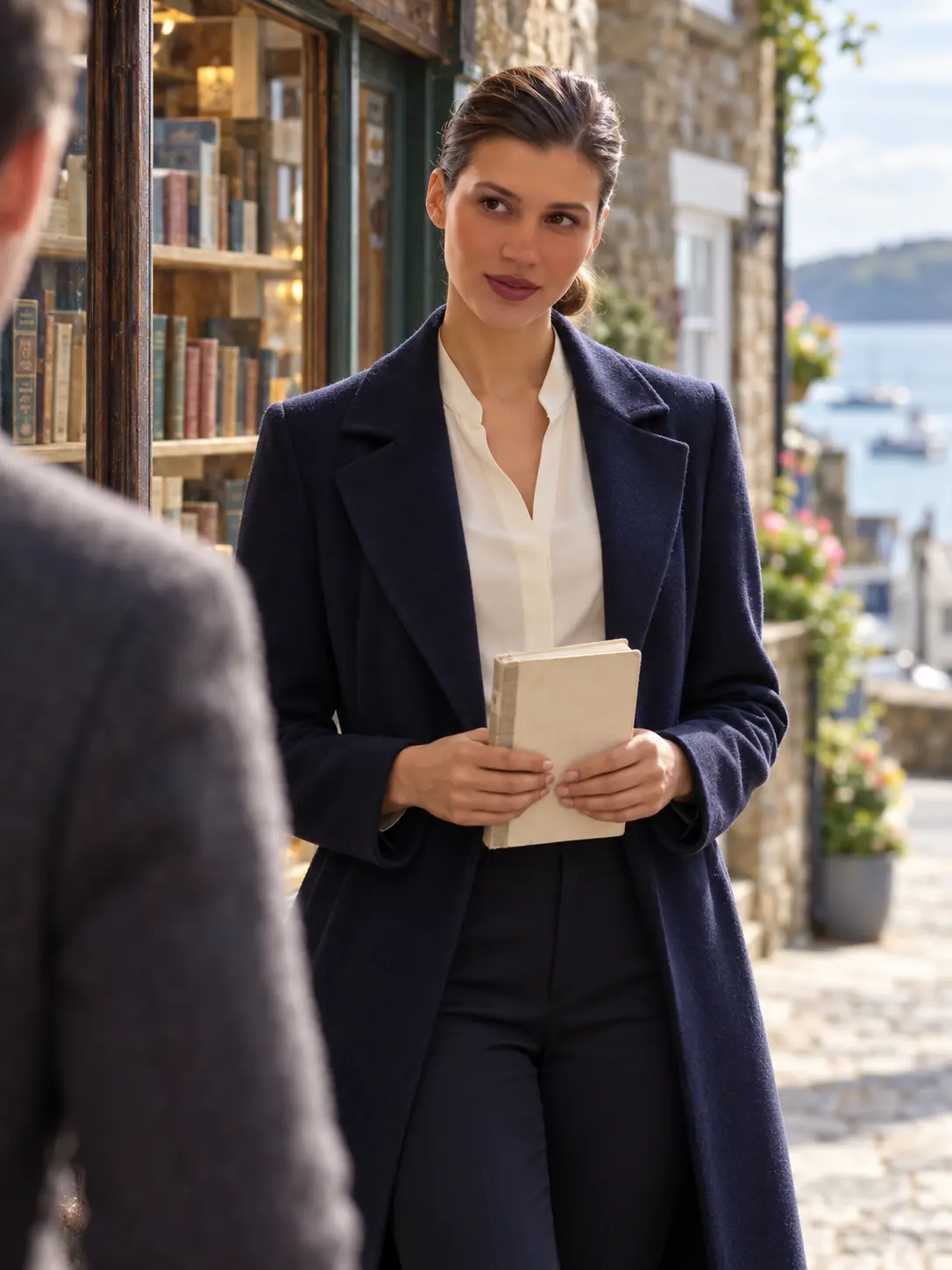
She almost agreed out of habit. Then she remembered the harbour exhibition she had wanted to see. ‘Tomorrow would be better,’ she said. Owen reached for his diary. ‘Tomorrow, then.’ There was no pause for punishment, no joke about being difficult. The afternoon remained hers.
On their walk the following day, the conversation wandered from bad coffee to childhood holidays. Owen admitted that he disliked flying. Arina laughed and asked whether he was afraid of heights. ‘Mostly the uncertainty,’ he said. ‘But I wouldn't ask someone else to stop travelling because of it.’
She told him a little about Marcus, enough to explain why an ordinary answer mattered. Owen did not announce that he was different or promise she would never be hurt again. He simply asked what she wanted now. Arina looked at the lighthouse. ‘Time,’ she said. ‘And to stop mistaking permission for affection.’
The Next Journey
On her last evening, they ate fish and chips on a wall above the harbour. She told him when her leave ended and when her next roster began. ‘I'd like to see you again,’ Owen said. ‘Would you like that?’ Arina took a moment before answering. ‘Yes. But slowly. My work stays part of my life.’
‘Of course,’ he said. They exchanged numbers and made no grand plan. When he walked her back to the bakery, he kissed her cheek only after she leaned toward him. Upstairs, she opened her repaired notebook and added a second item beneath ‘Things I want’: ‘Someone who is curious about my life, not frightened by it.’
Weeks later, Arina crossed the terminal again, back in uniform, with her next assignment waiting beyond the crew desk. Owen had sent a photograph of the harbour and a message: ‘The bakery has started making those cinnamon rolls. Whenever your dates work, I'd be glad to see you.’ She replied that she would check her roster that evening.
There was still a career to build, a home to find and a great deal she had not worked out. A pleasant week by the sea had not solved her life. But it had given her something useful: an example of closeness that did not require surrender.
Arina put her phone away and kept walking. She did not need to erase the past, and she did not need to return to it. There was a life ahead of her, and this time she intended to keep it.
A standalone original fictional romance. Arina Jet, Owen, Wrenhaven and the events described are fictional. The AI-created illustrations use supplied visual references and do not document real events or represent an airline endorsement.